

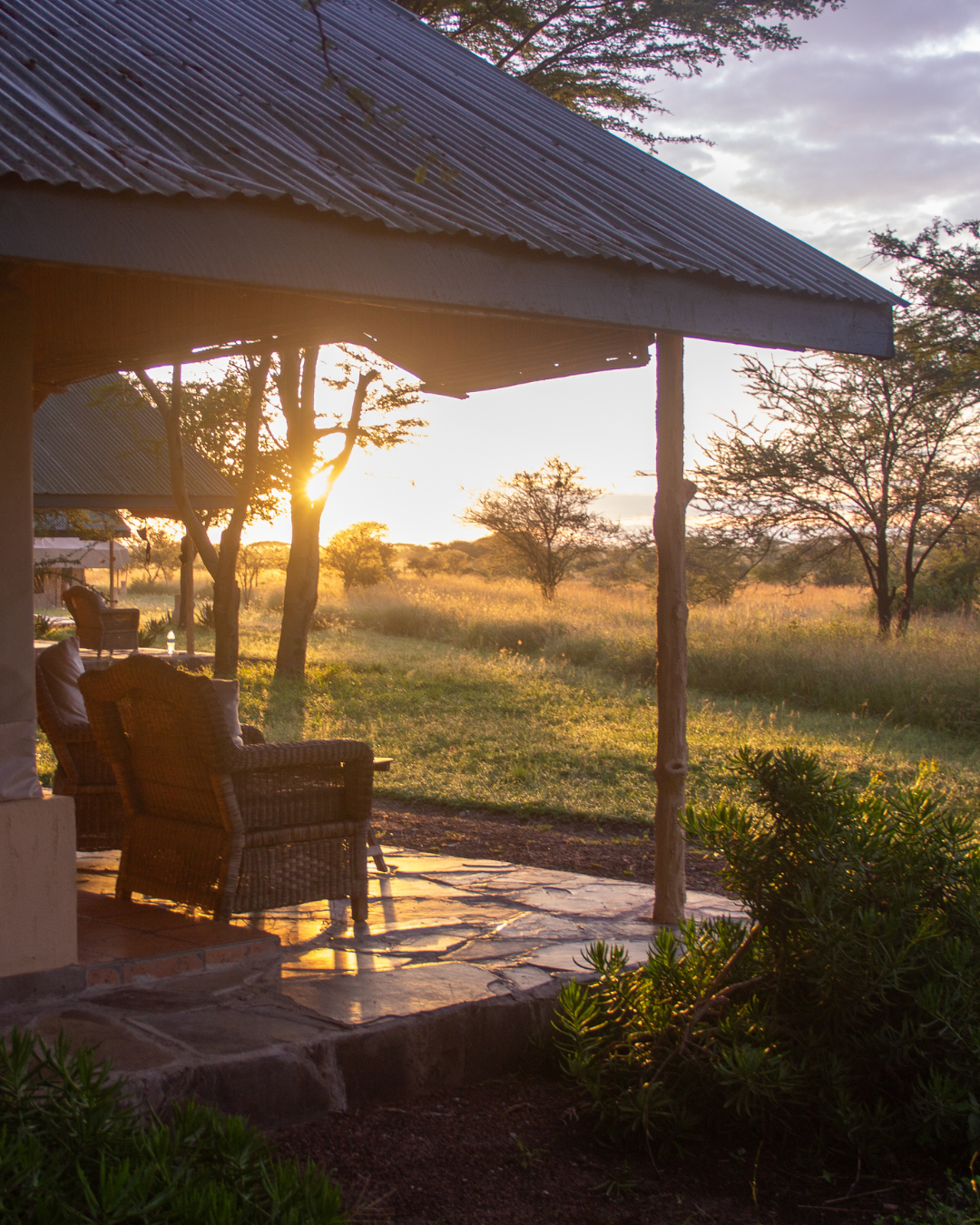
Best Time to Visit Tanzania and Zanzibar
The best time to visit Tanzania and Zanzibar depends on what you want to experience. June to October is a popular period for safari because many areas are drier, while January and February can work well for travelers combining wildlife experiences with time in Zanzibar. But these well known travel periods are not the only rewarding times to visit.
For travelers who value green landscapes, birdlife, fewer vehicles at wildlife sightings and a quieter safari atmosphere, the period from around 15 March to 15 July can be particularly appealing. Rain brings color and new life to the landscape, while lower visitor numbers can make time in the parks feel more relaxed and personal. As conditions become drier toward June and July, much of the landscape can still retain its green character.
September and October are also attractive months for northern Tanzania. Safari conditions are generally dry, and there can still be opportunities to see river crossings during the Great Migration, while visitor numbers may be lower than during the busiest holiday weeks. Migration movements depend on rainfall and cannot be guaranteed.
There is no single month that is best for every Tanzania trip. Conditions vary between northern Tanzania, southern Tanzania, Zanzibar and Mount Kilimanjaro. Wildlife movements also respond to rainfall rather than a fixed calendar.
Use this seasonal guide to compare the main travel periods based on safari, Zanzibar, wildlife, crowds and your personal travel priorities.
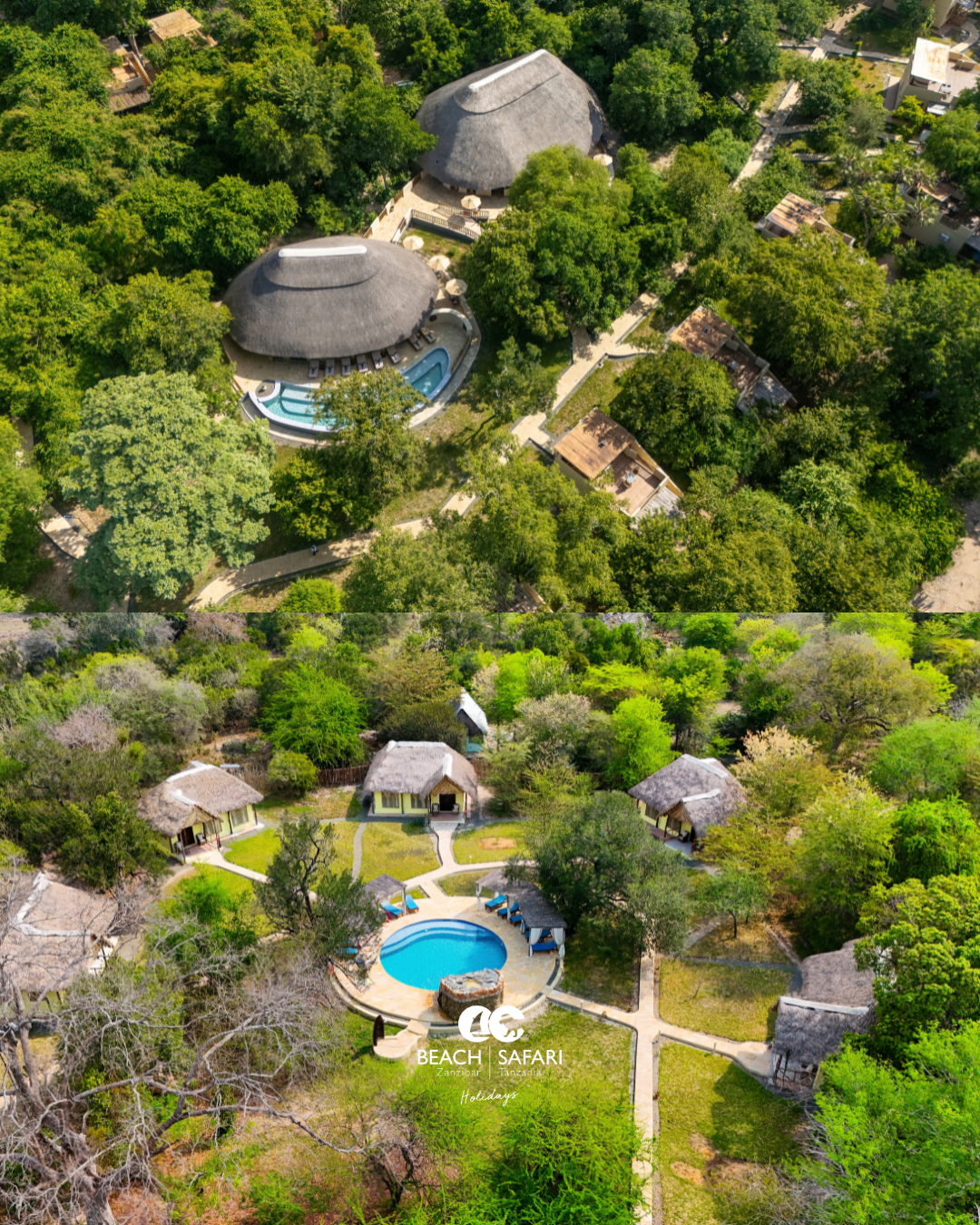
Best time for a safari in Tanzania
The best time for a Tanzania safari depends on the park and the experience you want. The dry season from June to October is well known, but travelers should not overlook the greener and quieter period from around 15 March to 15 July.
During the greener months, landscapes can be lush, birdlife abundant and visitor numbers lower in many areas. Fewer safari vehicles can also create a calmer experience at wildlife sightings. For travelers who value atmosphere, photography and space as much as consistently dry conditions, this can be a particularly attractive time to travel.
Dry conditions can make wildlife easier to spot in certain areas because vegetation is less dense and animals may gather near water. That does not mean wildlife sightings are guaranteed or that safari during wetter periods is poor.
Green season safaris offer a different experience. Landscapes can be more colorful, birdlife can be abundant and photographers may appreciate softer light, cloud formations and greener backgrounds.
Northern Tanzania
Northern Tanzania includes safari areas such as Serengeti National Park, Ngorongoro Conservation Area, Tarangire National Park and Lake Manyara National Park.
The period from around mid March to mid July can suit travelers who prefer greener scenery and fewer visitors. As the season progresses into June and early July, conditions generally become drier while the landscape may still retain much of its green appearance.
September and October are also attractive months for northern Tanzania. There can still be opportunities to see river crossings during the Great Migration, while some locations may feel less crowded than during the busiest summer travel weeks.
The ideal timing changes when the Great Migration is a specific priority because the herds move through the ecosystem throughout the year.
Read more about the region in the Northern Tanzania guide.
Southern Tanzania
Southern Tanzania has its own seasonal rhythm and should not automatically be treated the same as the northern circuit. Road conditions, vegetation, wildlife distribution and access can respond differently to rainfall.
Travelers considering southern parks should therefore choose travel dates based on the specific destination rather than relying only on a general Tanzania seasonal calendar.
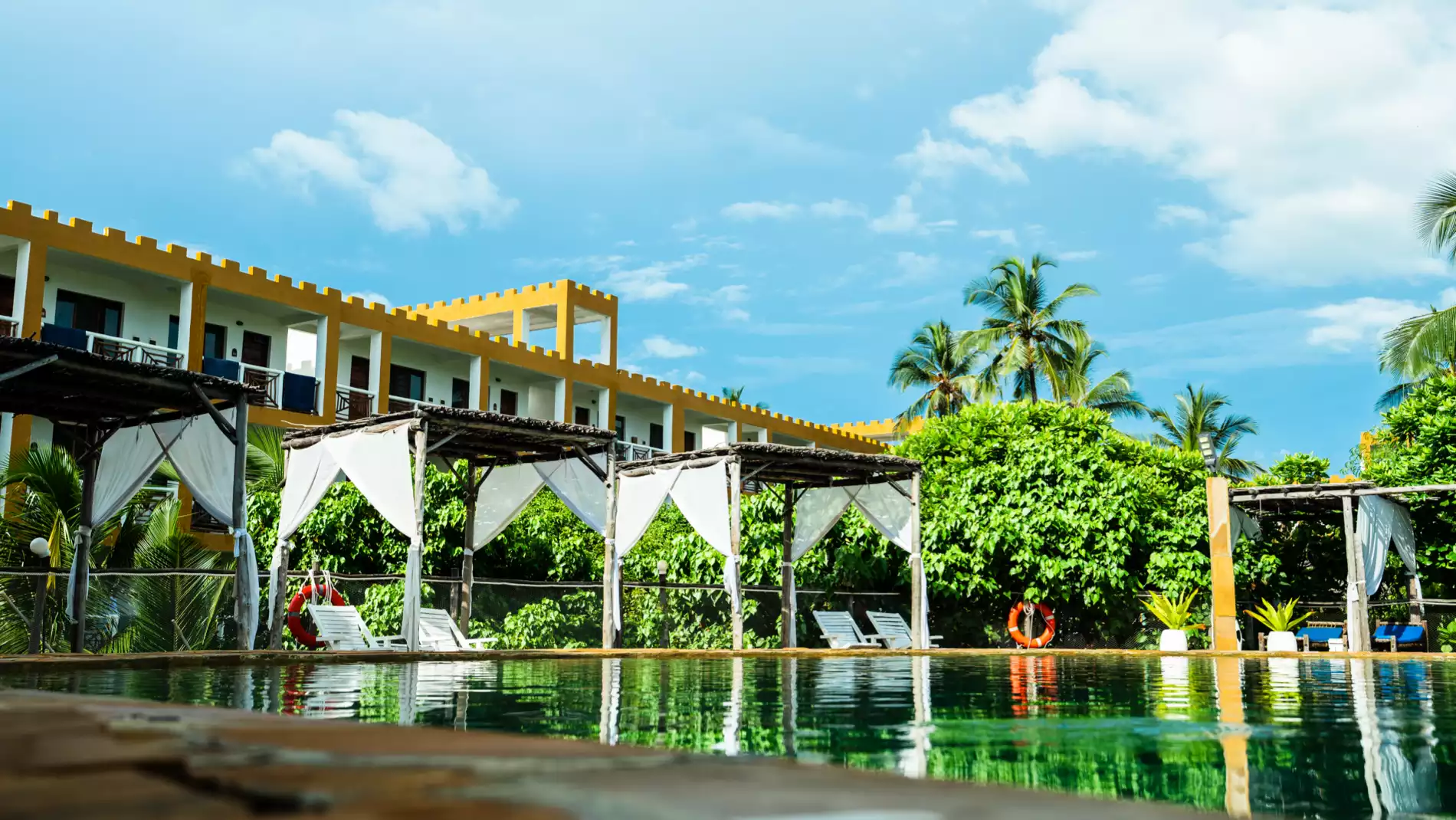
When is the best time to visit Zanzibar?
The best time to visit Zanzibar depends on how important dry weather, heat, activities and visitor numbers are to you. The island stays warm throughout the year, but rainfall and humidity change by season.
June to October generally brings a drier and slightly cooler period. January and February are also relatively dry but hotter. The main wetter period generally falls between March and May, while rainfall often increases again later in the year.
Weather is only one part of choosing your travel period. Couples, families and travelers combining Zanzibar with safari may make different choices based on the complete itinerary.
For temperatures, rainfall and detailed monthly climate information, consult the dedicated Zanzibar weather guide.
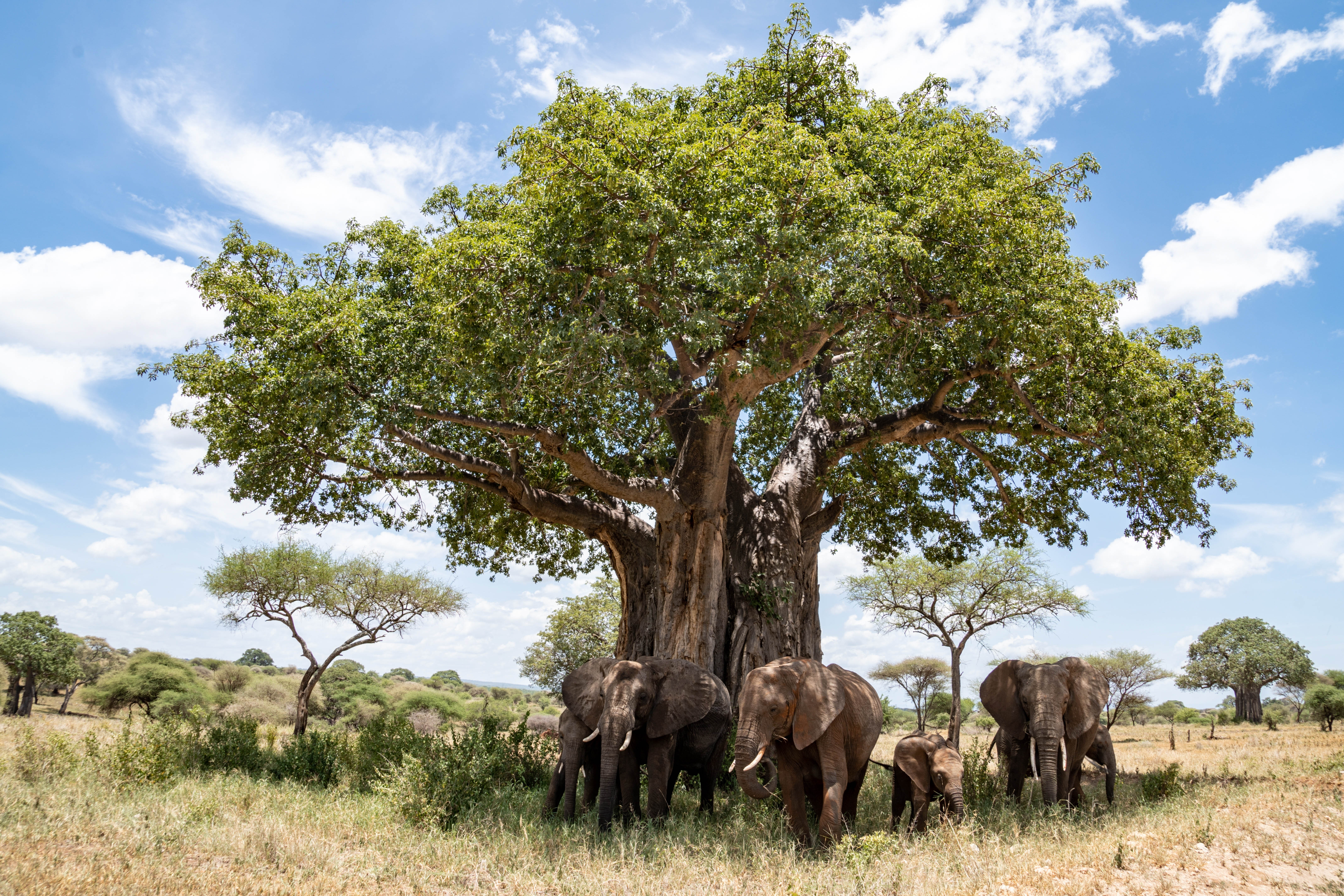
When can you see the Great Migration?
The Great Migration takes place throughout the year, but the herds move through different parts of the Serengeti ecosystem as they respond to rainfall, grazing conditions and water availability. There is therefore no single month in which the entire migration can be seen in one location.
Broadly, different periods are associated with different phases of the movement. The calving period is generally associated with the beginning of the year, while movement towards the western and northern parts of the ecosystem follows later.
River crossings are among the most sought after migration experiences, but their timing cannot be guaranteed. Rainfall influences when and where herds move.
September and October can still offer opportunities to see river crossings in northern Tanzania. These months can also appeal to travelers who want dry safari conditions but prefer to travel outside some of the busiest holiday weeks.
If the Great Migration is the main reason for your trip, the itinerary should be selected around the part of the ecosystem where the herds are more likely to be during your travel period rather than around a general Tanzania safari calendar.
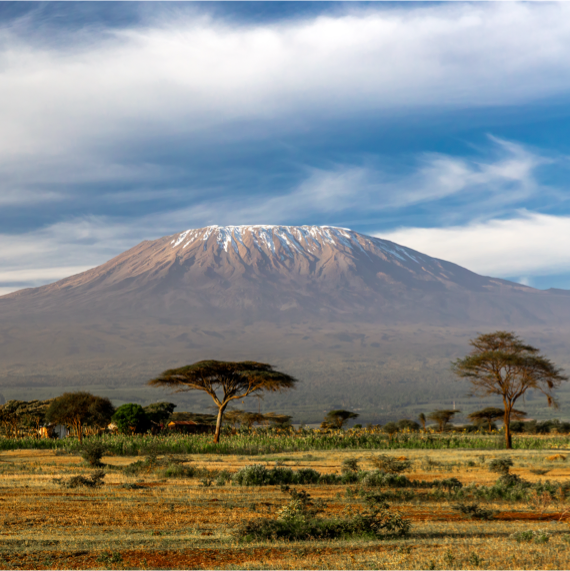
Best time to climb Kilimanjaro
Mount Kilimanjaro can be climbed at different times of year, but June to October and December to March are popular periods. Weather on the mountain remains unpredictable and conditions change considerably as altitude increases.
Choosing a month is only one part of preparing for Kilimanjaro. Route choice, number of climbing days, acclimatization, fitness and suitable equipment also affect the experience.
April and May are generally wetter on the mountain. Climbs remain possible, but visitors need suitable clothing and equipment for changing conditions.
Never assume that a dry season elsewhere in Tanzania guarantees dry or mild conditions near the summit. High altitude weather can change quickly.

Plan your trip around your priorities
Your preferred travel experience is often a better starting point than choosing dates from a general weather calendar.
First time safari travelers
June to October is a common choice for a first Tanzania safari because many regions experience drier conditions. Travelers who value greener landscapes, lower visitor numbers and a quieter experience should also consider the period from around 15 March to 15 July.
Wildlife photographers
Both dry and green periods can work for photography. Dry months may make wildlife easier to locate in some areas, while greener periods offer colorful landscapes, softer vegetation and dramatic skies. Lower visitor numbers during parts of the green season can also give photographers more time and space at sightings.
Birdwatchers
Greener periods can be particularly interesting for birdwatchers. Tanzania supports extensive resident birdlife, with seasonal changes adding further variety in many wetlands, lakes and wildlife areas.
Families
School holidays often make July and August practical travel months for families. These are also popular safari months, so accommodation and itinerary availability should be considered when planning. Families able to travel earlier in the season may find June and the first half of July quieter.
Honeymooners
The best honeymoon period depends on the balance between safari and beach time. January and February and the drier period from June to October can both suit combined itineraries, depending on your preferred safari region and Zanzibar plans.
Couples who prioritize a quieter safari experience can also consider the greener period before peak season, particularly when the mainland safari is an important part of the honeymoon.
Travelers who prefer fewer visitors
The period from around 15 March to 15 July can be especially attractive for travelers who want to experience Tanzania with fewer visitors. Safari areas are greener, many parks can feel quieter and wildlife sightings may involve fewer vehicles.
September and October can provide another interesting option in northern Tanzania. Dry conditions continue and migration activity, including possible river crossings, can still occur, while visitor numbers may be lower than during peak holiday weeks.
Weather, road conditions and visitor levels still vary by park and travel date, so the exact itinerary should be considered before choosing your period.
Plan your Tanzania and Zanzibar journey
The best travel period is the one that fits your priorities across the complete itinerary. Safari region, wildlife interests, Zanzibar plans, Kilimanjaro, school holidays and your tolerance for rain can all point towards a different month.
If green landscapes, fewer vehicles and a quieter safari are high on your list, consider traveling between around 15 March and 15 July rather than automatically choosing the busiest dry season months. September and October are another attractive option for travelers looking for dry safari conditions and possible migration activity in northern Tanzania.
Beach Safari works across mainland Tanzania and Zanzibar, so your travel period can be considered in relation to the complete journey rather than one destination in isolation.
For detailed mainland climate information, continue to the Tanzania weather guide.
Plan your Tanzania and Zanzibar journey
The best travel period is the one that fits your priorities across the complete itinerary. Safari region, wildlife interests, Zanzibar plans, Kilimanjaro, school holidays and your tolerance for rain can all point towards a different month.
If green landscapes, fewer vehicles and a quieter safari are high on your list, consider traveling between around 15 March and 15 July rather than automatically choosing the busiest dry season months. September and October are another attractive option for travelers looking for dry safari conditions and possible migration activity in northern Tanzania.
Beach Safari works across mainland Tanzania and Zanzibar, so your travel period can be considered in relation to the complete journey rather than one destination in isolation.
For detailed mainland climate information, continue to the Tanzania weather guide.
Frequently asked questions about the best time to visit Tanzania and Zanzibar
The answers below provide a quick starting point for choosing your travel period. Exact conditions still depend on region, rainfall and the experiences included in your itinerary.
What is the weather like in Zanzibar year round?


-
There is no single best month to visit Tanzania. Travelers who value green landscapes and fewer visitors should consider the period from around 15 March to 15 July. June to October offers generally drier safari conditions, while September and October can also combine dry weather with possible Great Migration river crossing opportunities in northern Tanzania.
When is the best time for a Tanzania safari?
-
The best time for a Tanzania safari depends on the experience you prefer. The period from around 15 March to 15 July can offer greener landscapes, birdlife and fewer visitors, while June to October generally brings drier conditions. September and October can be particularly attractive for northern Tanzania and potential migration activity.
What is the best time to visit Tanzania and Zanzibar together?
-
The best time to visit Tanzania and Zanzibar together depends on how you balance safari and beach time. June to October and January to February can both work well for combined journeys. Travelers prioritizing a quieter mainland safari can also consider the greener period before peak season, while taking Zanzibar's wetter months into account.
When is the rainy season in Tanzania?
-
Rainfall varies across Tanzania. Many areas experience a wetter period from approximately March to May, with shorter rains later in the year. Some regions have different local patterns, so a nationwide rainy season should be treated as general guidance rather than an exact rule.
Is the green season a good time for safari?
-
Yes, the green season can be a very rewarding time for safari. Landscapes become greener, birdlife can be particularly interesting and many safari areas receive fewer visitors. The period from around mid March onwards can appeal to travelers who prefer quieter wildlife sightings and are comfortable with more changeable weather.
When can you see the Great Migration?
-
The Great Migration takes place throughout the year as herds move through the Serengeti ecosystem in response to rainfall, grazing and water. Different periods are associated with calving, movement through the western areas and northern river crossings. September and October can still offer opportunities to see river crossings, but exact locations and dates cannot be guaranteed.
What is the best time to visit Zanzibar?
-
The best time to visit Zanzibar depends on your preference for rainfall, heat and activities. June to October is generally drier and slightly cooler, while January and February are hotter and relatively dry. Zanzibar's main wetter period generally falls between March and May.
When is the best time to climb Kilimanjaro?
-
June to October and December to March are popular times to climb Mount Kilimanjaro. Conditions vary with altitude and can change quickly at any time of year. Route choice, acclimatization, equipment and preparation remain important regardless of the month.
Is Tanzania crowded during the dry season?
-
Popular safari destinations can receive more visitors during the main dry season, especially during peak holiday periods. Travelers who value quieter conditions can consider the period from around 15 March to 15 July. September and October can also be attractive in northern Tanzania for travelers looking for dry conditions and potentially fewer visitors than during the busiest weeks.
Can you visit Tanzania throughout the year?
-
Yes, Tanzania can be visited throughout the year. Different seasons suit different experiences, from quieter green season safaris and lush landscapes to dry season wildlife viewing, Zanzibar stays and Kilimanjaro climbs. Choosing the right period starts with deciding what you want the journey to include.