

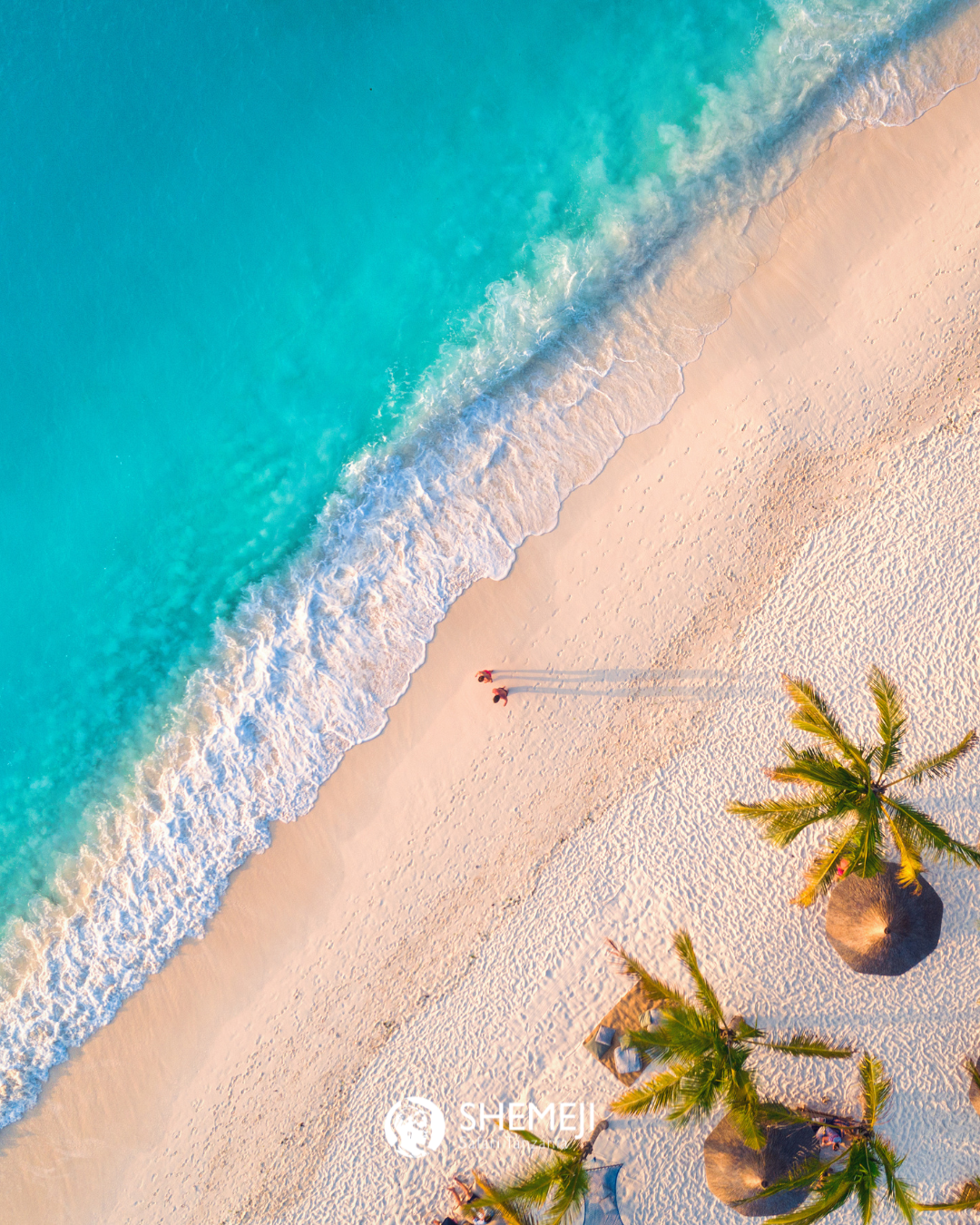
Zanzibar Weather: Climate, Seasons & What to Expect
Zanzibar weather is warm throughout the year, but rainfall, humidity, wind and temperature change with the seasons. The warmer period generally falls between December and March, while June to August feels cooler. The main rainy period occurs from March to May, with April typically receiving the heaviest rainfall. A second, shorter rainy period occurs later in the year.
These patterns are useful when planning your trip, but tropical weather is never completely predictable. A rainy month does not mean rain all day, every day, and a dry month can still bring showers. This guide explains what conditions you can generally expect throughout the year and what they can mean for your time in Zanzibar.
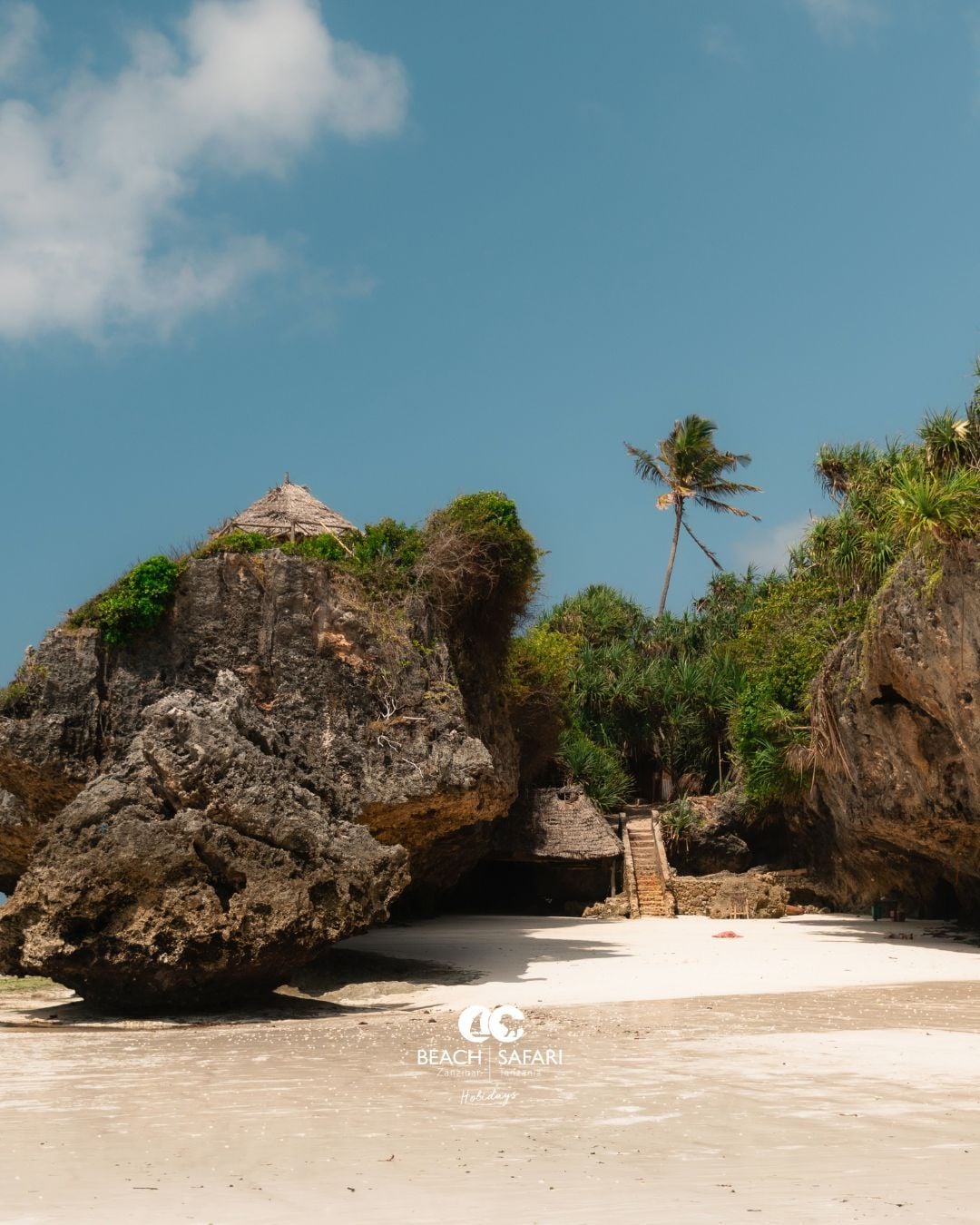
What is the weather like in Zanzibar?
Zanzibar has a warm, humid tropical climate. Daytime temperatures remain fairly consistent throughout the year, with average maximum temperatures generally ranging from around 29°C during the cooler months to approximately 33°C in the hotter months.
Nights are warm too. Average minimum temperatures are generally around 20°C to 24°C, depending on the season. The Indian Ocean also remains warm enough for swimming throughout the year, although water temperatures and sea conditions vary.
The biggest seasonal difference is rainfall. Zanzibar has wetter and drier periods rather than four clearly defined seasons. Humidity, wind and cloud cover also affect how the temperature feels on any given day.
When is the rainy season in Zanzibar?
Zanzibar has two main periods associated with increased rainfall. The longer rainy season, often called the long rains or Masika, generally occurs from March through May. April is typically one of the wettest months.
A shorter rainy period occurs later in the year. Rainfall commonly increases again around November, although the exact timing and intensity can vary from year to year.
Rain during tropical wet periods is not always continuous. Some days may have heavy showers followed by brighter conditions, while other days can remain cloudy or wet for longer. Travelers should therefore treat monthly climate averages as guidance rather than a daily forecast.
Long rains
The main rainy period develops during March and is generally most noticeable in April and May. Humidity can be high and heavier showers are more common during this part of the year.
Travelling during the long rains is still possible, but visitors should be prepared for more changeable conditions. Outdoor plans, boat trips and beach time may need greater flexibility.
Short rains
Rainfall generally increases again later in the year, particularly around November. These showers can be shorter and more localised than during the main rainy season, although conditions differ from one year to another.
December can still experience rainfall, but temperatures are also rising as Zanzibar moves into one of its warmer periods.
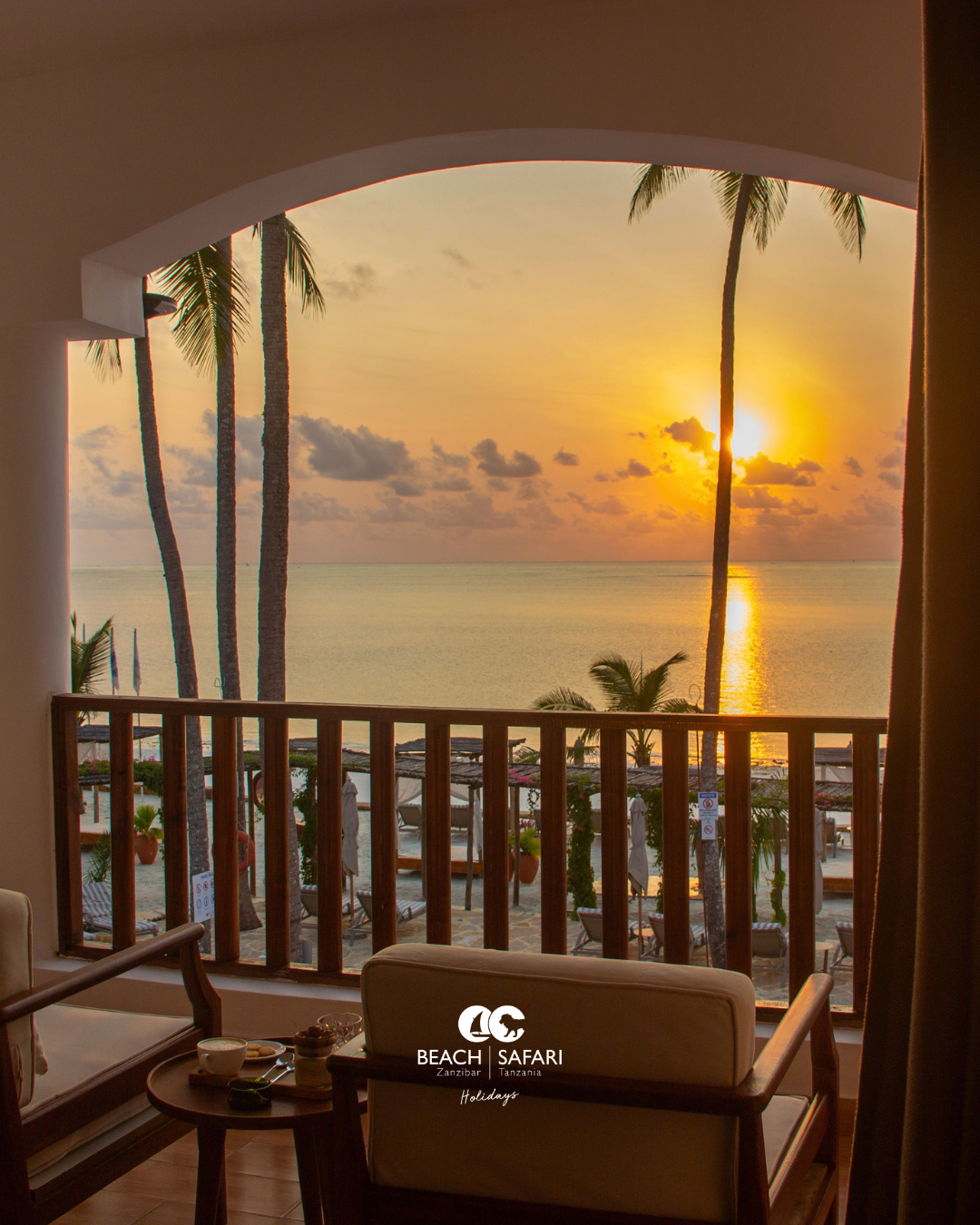
When is the dry season in Zanzibar?
The most consistently dry period generally runs from June into October. Temperatures are slightly cooler than at the start of the year, and humidity can feel more comfortable.
January and February can also bring relatively dry conditions, although they are generally hotter. This means there are two quite different types of drier weather in Zanzibar: the cooler period around the middle of the year and the hotter period near the beginning of the year.
If your travel decision depends on more than weather alone, such as safari conditions, crowds or the type of holiday you want, compare the different periods in the seasonal guide for Tanzania and Zanzibar.
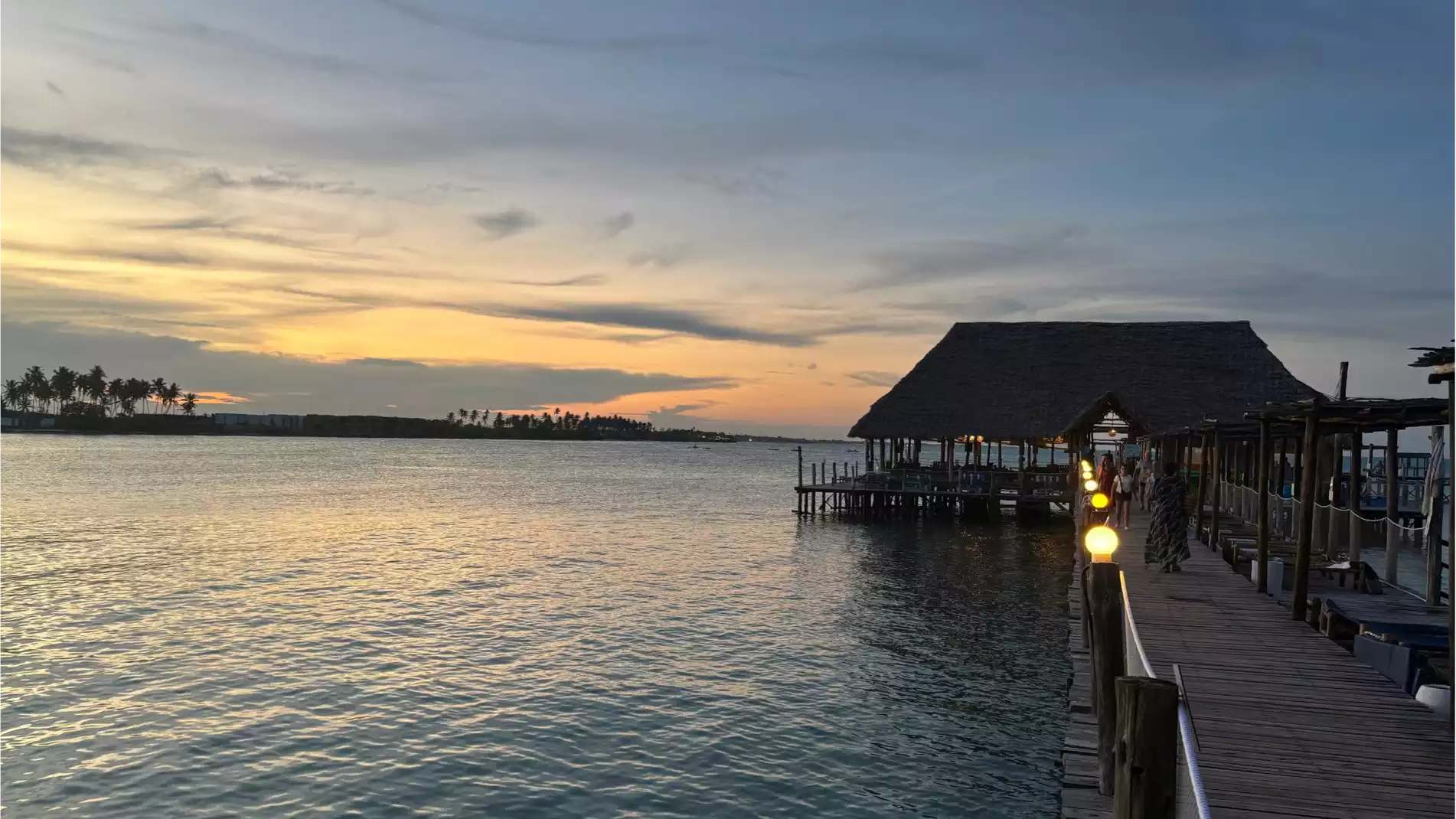
What is Zanzibar weather like from January to March?
January and February are among the hotter months in Zanzibar. Average daytime maximum temperatures are around 32°C to 33°C, with warm nights and high humidity.
Rain is still possible, but these months are generally drier than the main rainy period that follows. Strong sunshine and heat are important considerations for long beach days and outdoor excursions.
During March, rainfall generally starts to increase. Temperatures remain high, but the transition toward the long rains can bring more clouds, showers and humid conditions.

What is Zanzibar weather like in April and May?
April and May fall within Zanzibar's main rainy period. April is typically one of the wettest months, and periods of heavier rainfall are more likely than during the drier parts of the year.
This does not mean every day is completely wet. Tropical rainfall can vary considerably by day and location. Travelers visiting during this period should nevertheless expect more flexibility to be needed when planning beach days, boat trips and outdoor excursions.
Before travelling during these months, it is also worth checking whether your preferred accommodation and activities are operating as normal during your dates.

What is Zanzibar weather like from June to October?
June to October generally brings Zanzibar's driest and slightly cooler weather. Average daytime temperatures remain warm at around 29°C to 31°C, while evenings can feel more comfortable than during the hotter months.
July and August are among the coolest months, although Zanzibar remains warm by most international standards. Wind can also influence how conditions feel, especially along exposed parts of the coast.
September and October gradually become warmer. Rainfall is generally still lower than during the main wet periods, although isolated showers remain possible.
What is Zanzibar weather like in November and December?
November is associated with Zanzibar's shorter rainy period. Temperatures rise and humidity becomes more noticeable, with showers becoming more frequent.
Rainfall can be localised, so conditions may differ even within the same day. A shower in one part of the island does not necessarily mean the whole island experiences the same weather.
December remains warm and humid. Rain is still possible, while sunny periods can occur between showers as the island moves toward the hotter conditions of January and February.
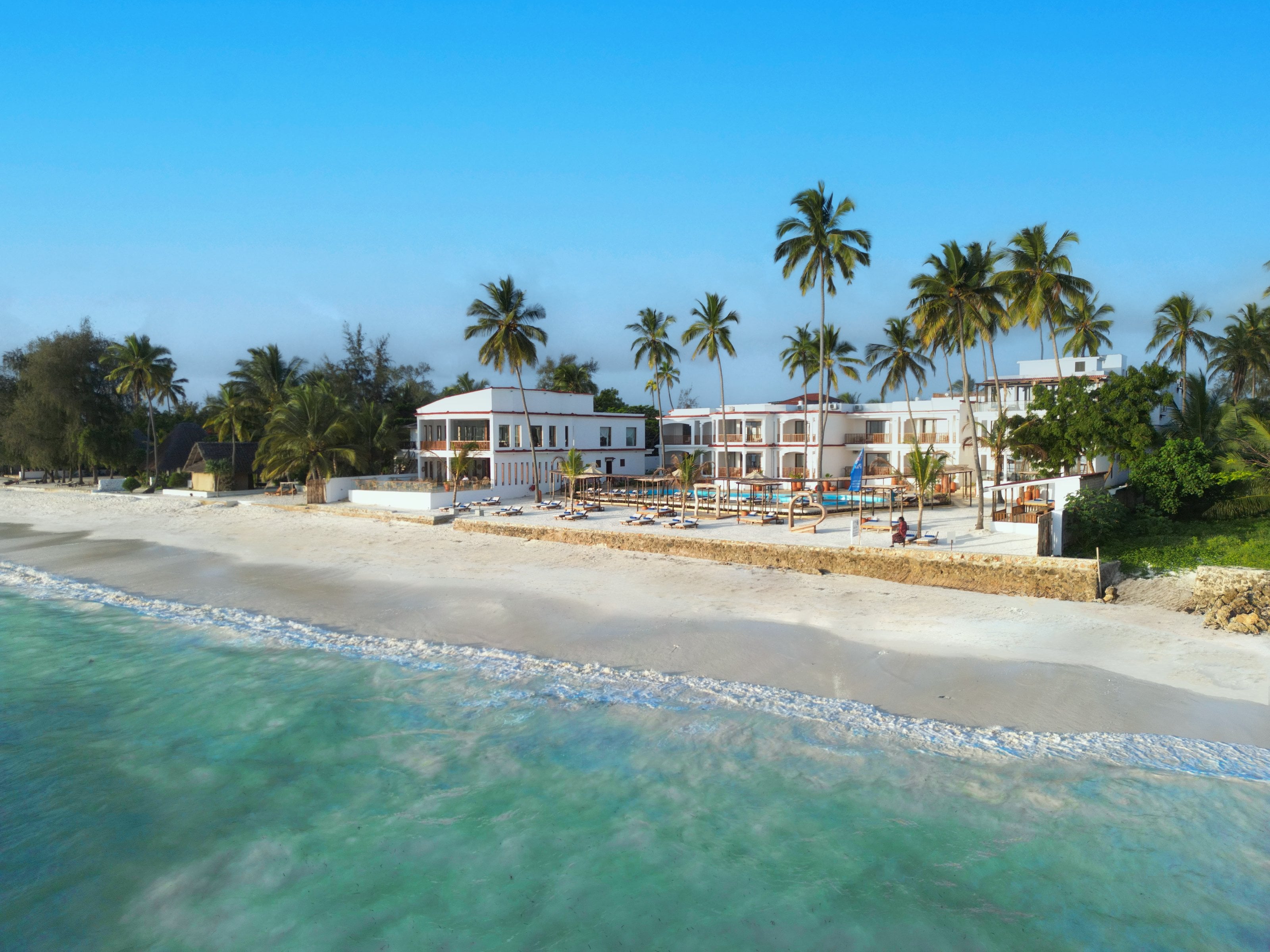
Does the weather differ across Zanzibar?
Weather conditions can differ locally across Zanzibar. Coastline, wind exposure, cloud development and the path of tropical showers can all create differences between areas.
The north coast, east coast, southeast coast and the area around Stone Town should therefore not be expected to experience identical conditions at every moment. A rain shower can affect one area while another remains dry.
These local variations are difficult to predict far in advance. Monthly climate information is most useful for understanding the overall seasonal pattern rather than choosing one resort based on a precise weather expectation.
For information about the island itself and its different areas, visit the Zanzibar Island guide.
Is Zanzibar humid?
Yes. Zanzibar has a tropical, humid climate and humidity is present throughout the year. It tends to feel more noticeable during hotter and wetter periods.
Sea breezes can make conditions feel more comfortable along the coast, but humidity can still be noticeable during walks, excursions and evenings with little wind.
Lightweight clothing, regular hydration and planning demanding outdoor activities away from the hottest part of the day can make the climate easier to manage.

Zanzibar sea temperature and swimming conditions
The Indian Ocean around Zanzibar remains warm throughout the year. Sea temperatures generally fluctuate by only a few degrees, so swimming is possible in every season from a temperature perspective.
Sea temperature is not the only factor that affects swimming. Wind, waves, currents and tides can have a considerable influence on beach conditions.
Tides are particularly important at some beaches. Water can move a significant distance from the shoreline at low tide, which means swimming conditions can change during the day even when the weather remains the same.
When comparing places to stay, view Beach Safari's Zanzibar hotels and consider location alongside the type of beach experience you prefer.

How does the weather affect activities in Zanzibar?
Weather can influence island activities, but conditions on the day are often more important than the month shown on a climate chart. Local operators may adjust plans when wind, rain or sea conditions make an excursion less suitable.
Beach days and swimming
Sun intensity, heat, wind and tides all affect a beach day. Protection from the sun is important throughout the year, including on days with some cloud cover.
Snorkelling and diving
Underwater visibility and sea conditions can vary with wind, currents and local weather. Conditions also differ between diving and snorkelling locations, so one island wide monthly rule is not reliable for every site.
Boat and dhow excursions
Wind, rain and sea conditions may affect boat departures. Excursions can sometimes be changed, postponed or adapted based on the conditions expected locally.
Stone Town and cultural excursions
Heat and humidity can make walking tours more demanding during the hottest part of the day. Water, sun protection and breathable clothing are useful when spending several hours exploring on foot.
Island and spice tours
Rain protection and comfortable footwear are useful during wetter periods, especially when visiting outdoor locations. A short tropical shower does not necessarily prevent an excursion, but heavier rain may require plans to be adjusted.
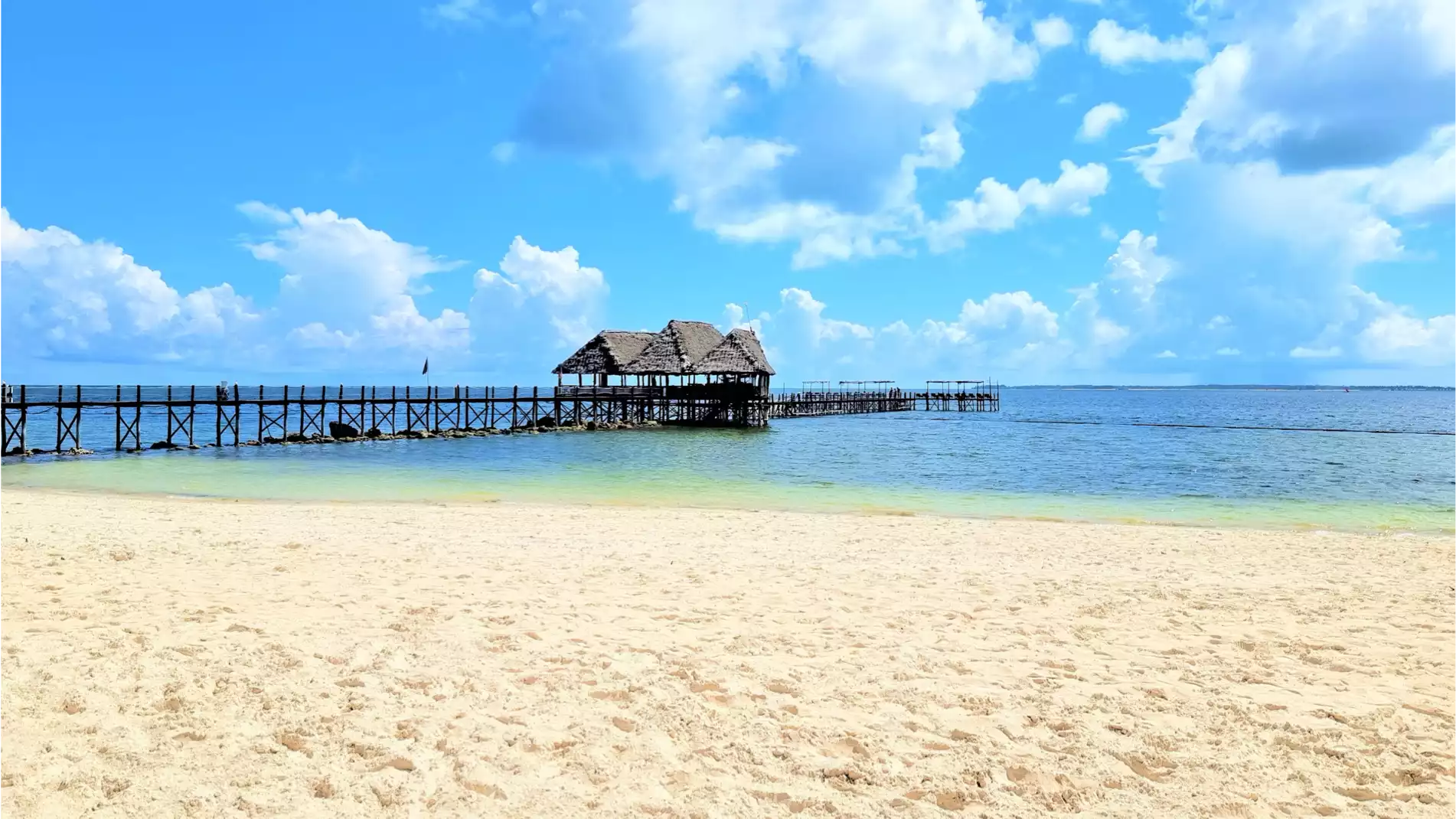
What should you pack for Zanzibar's weather?
Pack for warm temperatures first, then add a few items that help with sunshine, tropical rain and breezier conditions.
- Lightweight and breathable clothing
- Sun protection
- A sunhat
- Sunglasses
- A reusable water bottle
- Swimwear
- A light rain jacket during wetter periods
- Quick drying clothing
- Mosquito repellent
- Comfortable footwear
- A light layer for breezy evenings or air conditioned spaces
Outside beach resorts, respectful clothing is recommended. Covering shoulders and knees is generally appropriate when visiting towns, villages and cultural locations.
For broader practical information before departure, read the visa, travel and health guidelines.

Can you visit Zanzibar year round?
Yes. Zanzibar can be visited throughout the year, but the experience changes with the weather. The drier months generally offer more predictable conditions for beach time and outdoor plans, while wetter months bring a greater chance of rain and require more flexibility.
Your travel dates may also be fixed by school holidays, a honeymoon or a wider Tanzania itinerary. In that case, understanding the likely weather is more useful than trying to find a supposedly perfect month.
If Zanzibar is part of a larger trip, the weather on the mainland can be different. Read the Tanzania weather guide for climate information across Tanzania's mainland regions.
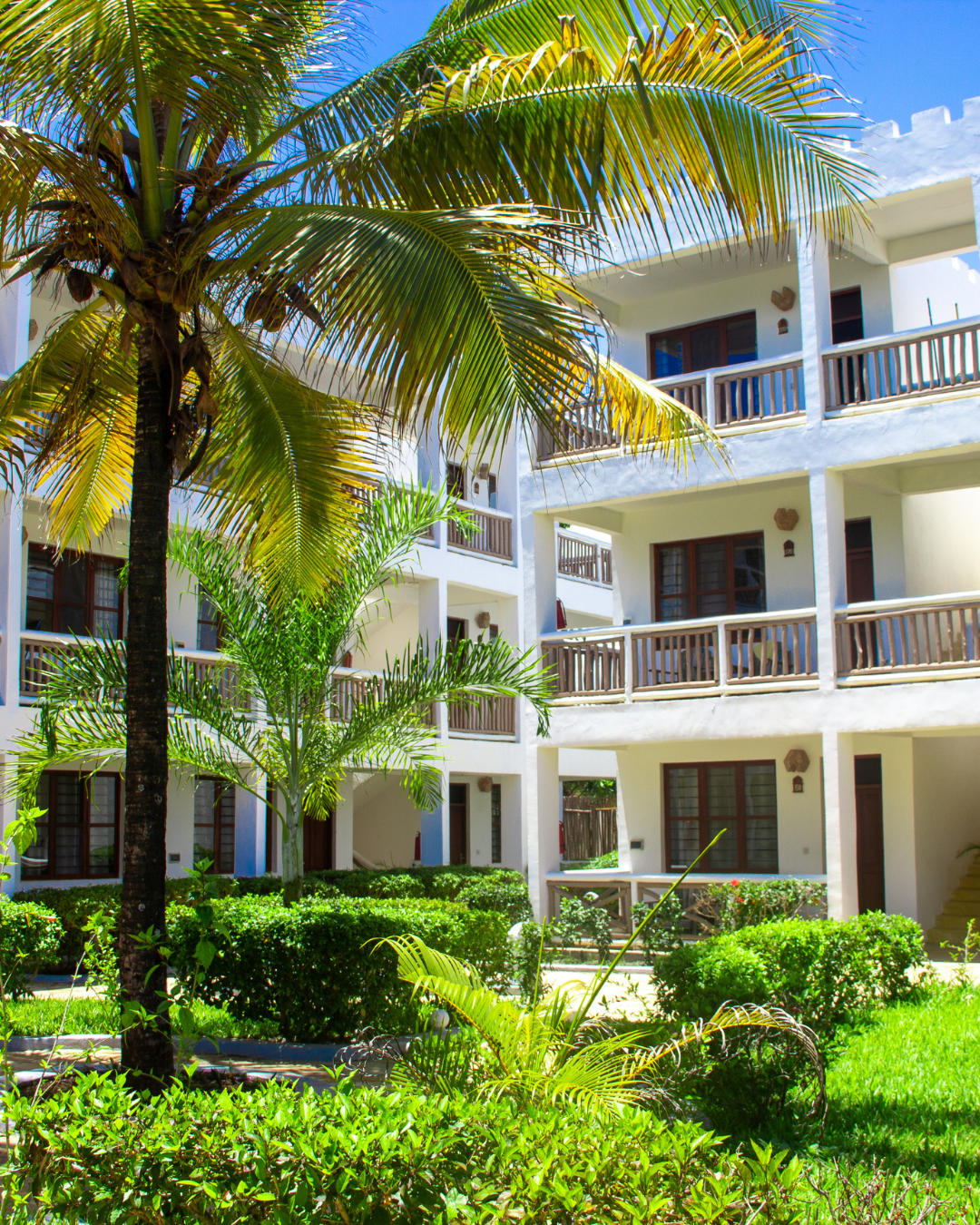
Plan your Zanzibar holiday around the conditions you prefer
Weather is one part of choosing when to travel. Your preferred accommodation, activities and any plans to combine Zanzibar with mainland Tanzania also influence which period suits your trip.
Use this guide to understand the climate, then compare the wider seasonal considerations in Beach Safari's seasonal guide.
You can also explore Zanzibar Island and compare places to stay in Zanzibar when planning your trip.
Frequently asked questions about Zanzibar weather
These answers cover common questions about temperature, rainfall and seasonal conditions on the island.
What is the weather like in Zanzibar year round?


- Zanzibar weather is warm and humid throughout the year. Average daytime maximum temperatures generally remain between about 29°C and 33°C. The main difference between seasons is rainfall, with wetter conditions around March to May and another shorter rainy period later in the year.
What are the hottest months in Zanzibar?
- January and February are among the hottest months in Zanzibar, with average daytime maximum temperatures around 32°C to 33°C. December and March are also warm and humid. Actual temperatures vary from day to day, so monthly figures should be treated as climate averages rather than forecasts.
What are the coolest months in Zanzibar?
- July and August are among Zanzibar's coolest months. Average daytime temperatures are still around 29°C, so conditions remain warm. Nights can feel noticeably cooler than during the hotter months, particularly when combined with coastal breezes.
When is the rainy season in Zanzibar?
-
Zanzibar's main rainy season generally occurs from March through May, with April typically among the wettest months. A shorter rainy period occurs later in the year, particularly around November. The exact timing and amount of rain vary between years.
Does it rain all day during Zanzibar's rainy season?
- No. Zanzibar's rainy season does not mean that rain falls continuously every day. Tropical rain can arrive as heavy showers with brighter periods in between. Some days can still be considerably wetter than others, so travelers should allow more flexibility in their plans.
Is Zanzibar humid?
- Yes. Zanzibar has a humid tropical climate throughout the year. Humidity can feel stronger during hotter and wetter periods. Coastal breezes may make conditions more comfortable, while lightweight clothing and regular hydration help when spending time outdoors.
Is the sea warm in Zanzibar throughout the year?
- Yes. The Indian Ocean around Zanzibar remains warm throughout the year, although sea temperatures vary by season. Swimming conditions also depend on tides, wind, waves and currents, so warm water does not automatically mean identical beach conditions every day.
Can you visit Zanzibar in April or May?
- Yes, Zanzibar can be visited in April or May, but these months fall within the main rainy period. Travelers should expect a greater chance of heavy rain and more changeable conditions. It is advisable to check accommodation and excursion availability for your specific dates before booking.
What should I pack for Zanzibar's weather?
- For Zanzibar's weather, pack lightweight breathable clothing, swimwear, sun protection, sunglasses, a hat and comfortable footwear. During wetter months, add a light rain jacket and quick drying clothing. A light layer can also be useful for breezy evenings and air conditioned spaces.
Is Zanzibar a year round holiday destination?
- Yes. Zanzibar is a year round destination, but different months bring different weather conditions. Drier periods are generally more predictable for outdoor plans, while wetter months require more flexibility. Your preferred activities and wider Tanzania itinerary should also be considered when choosing travel dates.