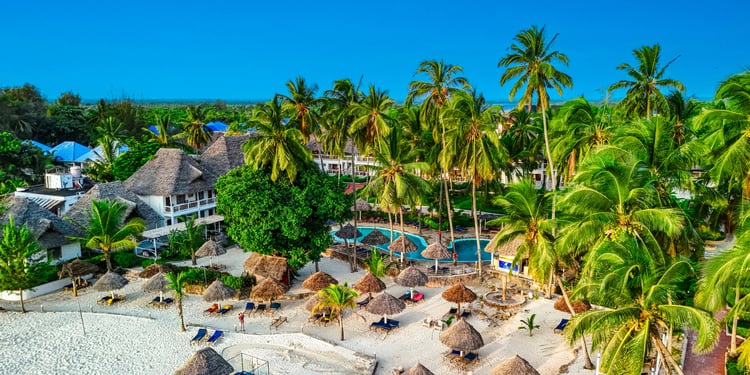

Zanzibar Island: The Ultimate Guide to Tanzania's Spice Island
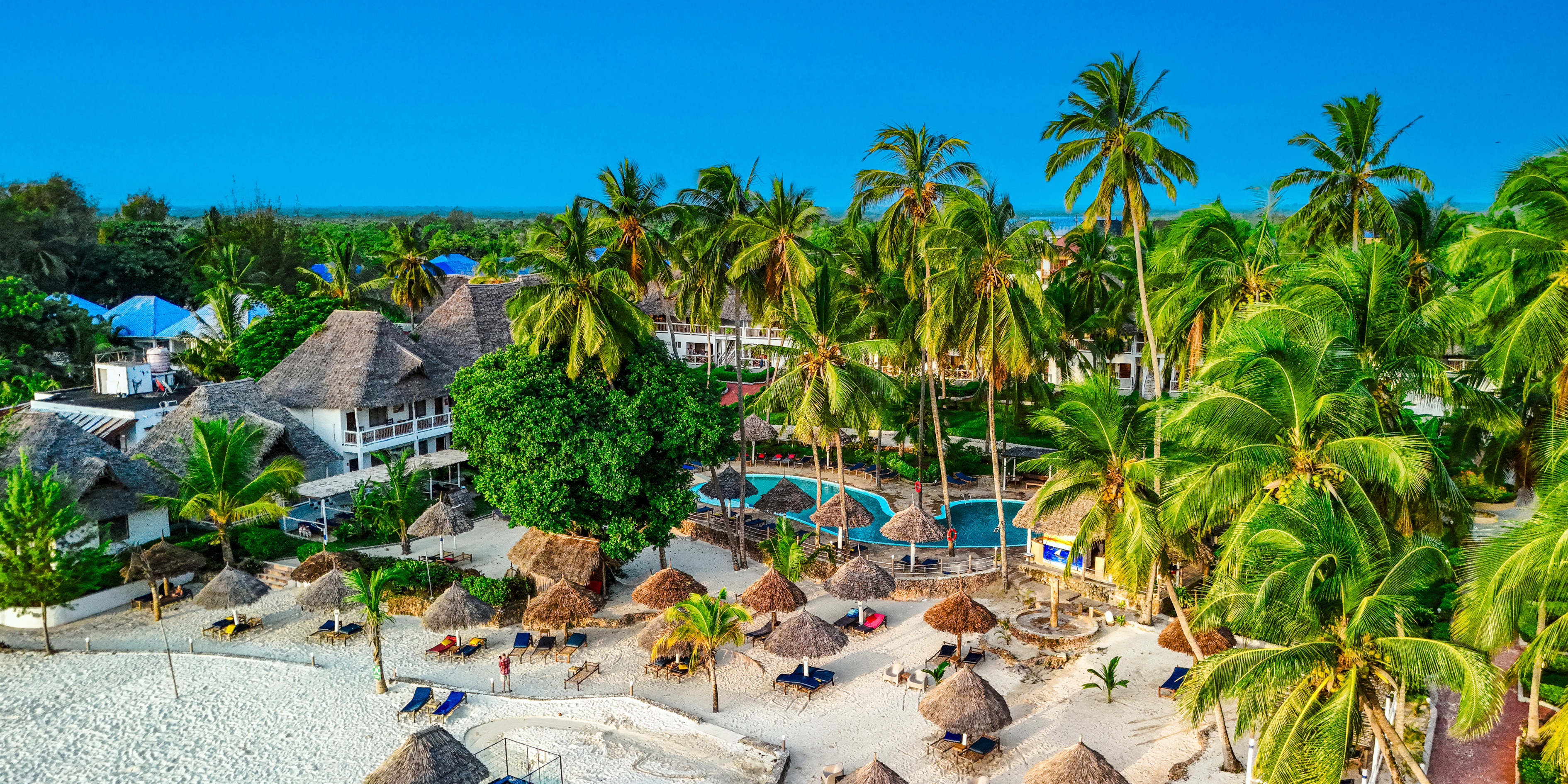
Zanzibar Island is one of Africa's most iconic destinations — a place where white-sand beaches meet centuries of history, where the scent of cloves and cinnamon drifts through narrow Stone Town alleyways, and where the Indian Ocean stretches turquoise and warm in every direction. Located just off the coast of mainland Tanzania, Zanzibar is a semi-autonomous archipelago that has drawn travellers, traders, and explorers for over a thousand years.
Whether you're unwinding on the beach after a Tanzania safari, exploring the UNESCO World Heritage streets of Stone Town, snorkelling coral reefs teeming with marine life, or tasting Zanzibar's famous spice-infused cuisine, the island offers a depth of experience that goes far beyond the classic postcard image. This guide covers everything you need to know about Zanzibar — from its geography and history to its best beaches, things to do, and practical tips for planning your visit.
What Is Zanzibar? Geography, Location & Key Facts
Zanzibar is an archipelago in the Indian Ocean, situated off the east coast of mainland Tanzania in East Africa. It consists of two main islands — Unguja (the larger main island, commonly referred to simply as "Zanzibar") and Pemba Island — along with dozens of smaller islands and islets scattered across the surrounding waters.
The main island of Unguja is separated from the Tanzanian mainland by a channel roughly 36 kilometres wide at its narrowest point. The island stretches about 85 kilometres from north to south and 39 kilometres at its widest point, covering an area of approximately 1,464 square kilometres. Despite being relatively compact — roughly the size of Greater London or about three times the size of the Isle of Wight — Zanzibar packs in an extraordinary variety of landscapes, cultures, and experiences.
Zanzibar sits just south of the equator, giving it a warm tropical climate year-round. The terrain is mostly low-lying, with the highest point on Unguja reaching just 120 metres above sea level. The coastline is fringed with coral reefs, and the island's interior is a patchwork of spice plantations, coconut palms, rice paddies, and patches of indigenous forest — most notably the Jozani Chwaka Bay National Park, home to the rare red colobus monkey found nowhere else on earth.
Politically, Zanzibar is a semi-autonomous region within the United Republic of Tanzania. It has its own president, parliament, and government, managing most internal affairs independently while remaining part of the broader Tanzanian union. The archipelago united with the mainland territory of Tanganyika in 1964 to form modern-day Tanzania — a name that combines "Tanganyika" and "Zanzibar."
The capital is Zanzibar City, located on the western coast of Unguja. Its historic heart, Stone Town, is a UNESCO World Heritage Site and one of the most atmospheric old towns in East Africa. The population of the entire Zanzibar archipelago is around 1.9 million people, with the majority living on Unguja.
Quick Facts
- Where is Zanzibar? Off the east coast of Tanzania, East Africa, in the Indian Ocean
- Is Zanzibar an island? Yes — it's an archipelago of two main islands (Unguja and Pemba) plus many smaller islands
- How big is Zanzibar? The main island (Unguja) is ~85 km long, ~39 km wide, covering 1,464 km²
- What country is Zanzibar in? Tanzania — it's a semi-autonomous region within the United Republic of Tanzania
- Capital: Zanzibar City (Stone Town is its historic centre)
- Population: ~1.9 million (2022 census)
- Language: Swahili (Kiswahili) is the primary language; English is widely spoken in tourism
- Currency: Tanzanian Shilling (TZS); US Dollars widely accepted in tourist areas
- Time zone: East Africa Time (UTC+3)
What Is Zanzibar Famous For?
Zanzibar's fame rests on a compelling combination of natural beauty, cultural richness, and historical significance. Here's what draws over 900,000 visitors to the island each year.
The Spice Island heritage. Zanzibar has been known as the "Spice Island" for centuries. Persian and Arab traders introduced spice cultivation as early as the 8th century, and by the 19th century, under the Sultanate of Oman, Zanzibar had become the world's largest producer of cloves. Today, the island still grows cloves, cinnamon, nutmeg, black pepper, cardamom, vanilla, and lemongrass across its lush interior. Spice farm tours are one of Zanzibar's most popular cultural experiences — a chance to walk through working plantations and see, smell, and taste spices growing in their natural environment.
Beaches. Zanzibar's coastline is ringed with some of the finest beaches in the Indian Ocean. Powdery white sand, warm turquoise water, and gently swaying palm trees create the tropical-paradise setting that features on countless travel magazine covers. Different parts of the island offer different beach characters — from the lively north coast of Nungwi and Kendwa to the quieter, tide-dependent eastern stretches of Paje and Jambiani.
Stone Town. The historic centre of Zanzibar City is a living, breathing maze of narrow alleyways, coral stone buildings, ornately carved wooden doors, and bustling markets. As a UNESCO World Heritage Site, Stone Town reflects centuries of cultural exchange between African, Arab, Indian, and European influences. Key landmarks include the Old Fort, the House of Wonders, the former Slave Market memorial, and the Forodhani Gardens night food market.
Marine life and coral reefs. The waters surrounding Zanzibar are rich with marine biodiversity. The Mnemba Atoll off the northeast coast is one of East Africa's premier snorkelling and diving destinations, home to sea turtles, dolphins, reef fish, and — between October and March — whale sharks. The Menai Bay Conservation Area to the southwest and the reefs around Chumbe Island offer equally rewarding underwater experiences.
A bridge between safari and beach. Perhaps Zanzibar's greatest appeal for international travellers is its proximity to mainland Tanzania's world-class safari parks. A short flight from the Serengeti or Arusha connects the dusty thrill of a Big Five safari to the barefoot relaxation of an Indian Ocean beach holiday — a combination that has become one of the most popular itineraries in African travel.
A Brief History of Zanzibar
Zanzibar's history is as layered and complex as the spices it's famous for. Few islands of this size have played such an outsized role in global trade, cultural exchange, and political upheaval.
The earliest evidence of settlement on Zanzibar dates back at least 20,000 years, with Bantu-speaking communities establishing fishing and farming villages by around the 1st millennium CE. Archaeological finds at Fukuchani on the northwest coast show evidence of settled communities and limited long-distance trade from as early as the 6th century.
The island's strategic position in the Indian Ocean made it a natural crossroads. By the 8th century, Persian and Arab traders were arriving regularly, establishing stone settlements, introducing Islam, and developing trade routes that connected East Africa with Arabia, Persia, and India.
Portuguese navigators arrived in the late 15th century following Vasco da Gama's voyage around the Cape of Good Hope. Portugal controlled Zanzibar for nearly two hundred years before being expelled by the Omani Arabs in 1698. Under Omani rule — and particularly after Sultan Seyyid Said moved his capital from Muscat to Stone Town in the 1830s — Zanzibar entered its most prosperous and controversial era.
The sultanate transformed Zanzibar into the world's leading exporter of cloves and a major hub in the East African ivory and slave trades. British pressure gradually curtailed the slave trade through a series of treaties, and in 1890 Zanzibar became a British protectorate. The transition of power in 1896 produced the Anglo-Zanzibar War — recorded as the shortest war in history, lasting between 38 and 45 minutes.
Zanzibar gained independence from Britain in December 1963 as a constitutional monarchy. Just one month later, the Zanzibar Revolution of January 1964 overthrew the sultan, and in April of that year, Zanzibar merged with Tanganyika to form the United Republic of Tanzania.
Today, the scars and splendours of this history are visible everywhere — in Stone Town's architecture, in the memorial at the former slave market site, in the spice plantations that still grow across the island's interior, and in the extraordinary cultural blend of African, Arab, Indian, and European influences that defines modern Zanzibar.
Zanzibar's Best Beaches: A Coast-by-Coast Guide
Zanzibar's coastline offers a different personality on every side. Choosing where to base yourself depends on what kind of beach experience you're after.
North Coast — Nungwi & Kendwa
The northern tip of the island is Zanzibar's liveliest beach area. Nungwi is the island's second-largest settlement and a former fishing village and dhow-building centre that has evolved into a popular tourist hub. The beach here is wide and beautiful, with turquoise water and less tidal variation than the east coast — meaning the sea stays swimmable throughout the day. Kendwa, just south of Nungwi, is slightly more relaxed, with a wide stretch of sand, spectacular sunsets, and a reputation for beach bars and occasional full-moon events. If you want restaurants, water sports, and easy logistics alongside your beach time, the north coast delivers.
East Coast — Paje, Jambiani & Dongwe
The east coast is home to Zanzibar's most photogenic stretches of sand — long, powder-white beaches backed by palm trees with shallow, crystal-clear water that shimmers in shades of blue and green. The tidal range here is significant, however. At low tide, the ocean can retreat hundreds of metres, exposing sandbars and seagrass flats where local women farm seaweed. This makes the east coast spectacular for kitesurfing (Paje is one of Africa's top kitesurfing destinations), tidepooling, and long walks along the exposed reef. Swimming is tide-dependent in most spots. Jambiani is the quieter end of the east coast — a more authentic, village-feel alternative to the busier north.
Northeast Coast — Matemwe & Kiwengwa
The northeast combines good beaches with proximity to Mnemba Atoll, making it Zanzibar's prime base for snorkelling and diving. Several of Zanzibar's most exclusive resorts are located along this stretch. The reef lies just offshore, and boat trips to Mnemba depart daily from the nearby beaches.
West Coast — Stone Town & Surrounds
Zanzibar's west coast faces the mainland and is more about culture than sunbathing. Stone Town is the main draw here, with Forodhani Gardens offering waterfront sunsets and street food rather than beach lounging. Further south along the west coast, quieter spots offer mangrove-fringed shores and a more local atmosphere. The snorkelling at Chumbe Island, a private conservation island off the southwest coast, is outstanding.
Offshore Islands
For the ultimate escape, Zanzibar's surrounding islands offer seclusion and exclusivity. Mnemba Island is a tiny private island with one ultra-luxury lodge and world-class reefs. Prison Island (Changuu) is a popular half-day excursion from Stone Town, known for its giant Aldabra tortoises and colonial-era ruins. And Chumbe Island is an award-winning eco-reserve with pristine coral reefs and guided nature trails.
Things to Do on Zanzibar Island
Zanzibar offers far more than beach time. Here are the island's standout experiences.
Explore Stone Town. Spend at least half a day wandering the labyrinthine streets of this UNESCO World Heritage Site. Visit the Old Fort, the former Slave Market and its memorial, the House of Wonders (Beit el-Ajaib), and the Sultan's Palace. Browse the Darajani Market for spices, fruit, and local crafts. End the day at Forodhani Gardens, where the nightly food market serves Zanzibar pizza, grilled seafood, sugarcane juice, and freshly made chapati as the sun sets over the harbour.
Take a spice tour. Visit a working spice plantation in the island's interior and experience cloves, cinnamon, vanilla, nutmeg, cardamom, lemongrass, and black pepper growing in their natural environment. Guides demonstrate traditional cultivation techniques, and you'll taste fresh spices straight from the tree. Most tours also include tropical fruits and a traditional Swahili lunch.
Snorkel or dive at Mnemba Atoll. The coral reef surrounding Mnemba Island is Zanzibar's most celebrated underwater destination. The marine park is accessible to everyone by boat (typically a 20-minute ride from beaches on the northeast coast) and teems with tropical fish, sea turtles, and, during the right season, whale sharks and dolphins. Chumbe Island and Menai Bay are equally rewarding alternatives.
Swim with turtles at Nungwi. The Baraka Natural Aquarium (also known as Mnarani Marine Turtle Conservation Pond) at Nungwi's northern tip gives visitors the chance to wade into a natural rock pool alongside rescued sea turtles. It's a popular and family-friendly experience, though it's worth choosing ethical operators who prioritise the animals' welfare.
Go kitesurfing at Paje. Zanzibar's east coast is one of Africa's premier kitesurfing spots, with consistent trade winds blowing from June to October and December to March. Paje is the epicentre, with multiple schools offering lessons for beginners and equipment rental for experienced riders. The shallow, warm water makes it a forgiving learning environment.
Visit Jozani Forest. Zanzibar's only national park protects the last significant area of indigenous forest on the island — and is the only place in the world where you can see the endangered Zanzibar red colobus monkey in the wild. A guided walk through the forest and adjoining mangrove boardwalk takes about an hour and offers a welcome break from the beach.
Sail on a dhow. Traditional wooden sailing boats called dhows have plied these waters for centuries. Sunset dhow cruises are a Zanzibar classic, and full-day Blue Safari excursions take you to sandbanks, hidden lagoons, and remote islands for snorkelling, dolphin watching, and Swahili barbecue lunches on deserted beaches.
Eat your way through Zanzibar. Zanzibar's cuisine reflects its multicultural history — Swahili, Arab, Indian, and Persian influences blended with the island's own spice heritage. Don't miss Zanzibar pizza (a stuffed, spiced crepe unique to the island), pilau rice, coconut-based curries, octopus in coconut sauce, and freshly grilled seafood at the beach. The Forodhani night market is the most famous food experience, but roadside stalls across the island serve equally memorable meals.
Best Time to Visit Zanzibar Island
Zanzibar's tropical climate means warm temperatures year-round, but conditions do vary by season.
The dry season from June to October is the most popular time to visit. Expect reliable sunshine, comfortable humidity, calm seas, and clear skies — ideal for beach days, snorkelling, diving, and combining with a mainland Tanzania safari. July and August are peak months, so booking accommodation in advance is recommended.
January and February offer another dry window with hotter temperatures (regularly 32–34°C) and excellent underwater visibility. This is prime diving season, and whale sharks can often be spotted off the north coast.
The short rains (November–December) bring occasional afternoon showers but rarely disrupt travel plans. Tourist numbers are lower, accommodation rates soften, and the island is lush and green.
The long rains (March–May) are Zanzibar's wettest months, with higher humidity and heavier, more sustained rainfall, particularly in April. Some budget travellers take advantage of the lowest prices of the year during this period, but it's not the ideal time for a pure beach holiday.
Sea temperatures remain warm enough for swimming year-round, ranging from about 25°C in August to 29°C in February and March.
For detailed month-by-month conditions, see our Tanzania Weather guide and Seasonal Guide.
Getting to Zanzibar Island
By air. Zanzibar's Abeid Amani Karume International Airport (ZNZ) receives direct international flights from several African and Middle Eastern hubs, as well as seasonal charter flights from Europe. Domestic flights connect Zanzibar with Dar es Salaam (20 minutes), Arusha, and the Serengeti — making it easy to fly directly from a safari to the beach. Several regional airlines operate multiple daily flights on these routes.
By ferry. Fast ferries run between Dar es Salaam and Zanzibar's main port in Stone Town, with the crossing taking approximately 1.5 to 2 hours. Multiple operators run services throughout the day. The ferry is an affordable and scenic option if you're travelling from the mainland coast.
Getting around the island. Zanzibar is compact enough to drive from one end to the other in about 90 minutes. Most visitors arrange transfers through their hotel or resort. Taxis are widely available, and many travellers hire a driver for the day to explore the island. Self-driving is possible but not generally recommended due to road conditions and unfamiliar driving customs.
For information on flights and transfers to Zanzibar, including connections from the northern safari circuit, see our dedicated page.
Where to Stay on Zanzibar Island
Zanzibar offers accommodation at every level — from simple beachfront guesthouses to world-class luxury resorts.
Beach Safari's Zanzibar properties are located on some of the island's finest stretches of coastline. Whether you're looking for a romantic honeymoon retreat, a family-friendly beach resort, or a boutique escape with character, we can match you with the right property for your trip.
Our Zanzibar accommodation includes:
- Dream of Zanzibar — oceanfront luxury on the northeast coast
- Paradise Beach Resort — a popular choice for families and groups
- Reef & Beach Resort — relaxed beachfront living on the east coast
- Shaba Boutique Hotel — intimate and stylish in a prime location
- Zanzibar Bay Resort — contemporary comfort with Indian Ocean views
Browse all our Zanzibar hotels and resorts, or speak to our team to find the perfect fit for your dates and budget.
Safari and Zanzibar: The Perfect Combination
One of the most popular ways to experience Tanzania is to combine a wildlife safari on the mainland with a beach holiday on Zanzibar. The two halves of the trip complement each other perfectly — the early mornings and dusty adventure of game drives in the Serengeti or Ngorongoro, followed by the barefoot relaxation and warm ocean of Zanzibar.
A typical itinerary runs 10–14 days: 4–7 days on safari through the northern circuit parks (Serengeti, Ngorongoro Crater, Tarangire, Lake Manyara) followed by 3–5 days on Zanzibar's beaches. Flights between the Serengeti or Arusha and Zanzibar are short and operate daily, making the transition seamless.
Beach Safari specialises in these combined experiences. Explore our Safari & Zanzibar combo packages or take a look at some of our most popular itineraries:
- Zanzibar and the Best of the Northern Circuit
- Zanzibar and Serengeti Adventure
- Zanzibar and Selous Safari Getaway
Practical Tips for Visiting Zanzibar
Visa. Most visitors need a visa to enter Tanzania, which covers both the mainland and Zanzibar. E-visas can be arranged online in advance, or visas on arrival are available at Zanzibar airport. See our full visa and travel guidelines for details.
Health. Zanzibar has a lower malaria risk than mainland Tanzania, but precautions are still recommended. Consult your doctor about antimalarial medication, and bring DEET-based insect repellent. Yellow fever vaccination is required only if you're arriving from an endemic country. See our health guidelines for full details.
Currency and payments. The Tanzanian Shilling (TZS) is the official currency, but US Dollars are widely accepted in tourist areas, hotels, and for excursions. Ensure any USD notes are dated 2009 or later. ATMs are available in Stone Town but scarce elsewhere on the island — carry cash for smaller purchases, markets, and tipping.
What to wear. Zanzibar's population is predominantly Muslim. Swimwear is fine on resort beaches, but when visiting Stone Town, villages, or anywhere outside hotel grounds, dress modestly — cover shoulders and knees as a sign of respect. See our safari etiquette guide for more on cultural dress norms.
Language. Swahili is the primary language. English is widely spoken in tourism, hotels, and restaurants. Learning a few Swahili phrases goes a long way — jambo (hello), asante (thank you), and karibu (welcome) will earn you smiles everywhere.
Tipping. Tipping is customary in Zanzibar. A general guideline is $5–10 per day for safari and excursion guides, and small tips for hotel staff and restaurant service.
Frequently Asked Questions About Zanzibar Island
What is Zanzibar?
Zanzibar is a semi-autonomous archipelago off the coast of Tanzania in East Africa, consisting of two main islands (Unguja and Pemba) plus many smaller islands. It's known for its white-sand beaches, spice heritage, Stone Town's UNESCO World Heritage old quarter, and rich cultural history.
Is Zanzibar an island?
Yes. Zanzibar is an archipelago made up of multiple islands. The main island, Unguja, is what most people mean when they say "Zanzibar." It sits about 36 km off the Tanzanian mainland coast.
How big is Zanzibar?
The main island of Unguja is approximately 85 km long and 39 km wide, covering an area of about 1,464 square kilometres. You can drive from one end to the other in roughly 90 minutes.
What is Zanzibar famous for?
Zanzibar is famous for its pristine beaches, its centuries-old spice trade (cloves, cinnamon, nutmeg), the historic Stone Town UNESCO World Heritage Site, outstanding snorkelling and diving, vibrant Swahili cuisine, and as the perfect beach extension to a Tanzania mainland safari.
What country is Zanzibar in?
Zanzibar is part of the United Republic of Tanzania. It merged with mainland Tanganyika in 1964 to form Tanzania, but retains semi-autonomous status with its own president and government.
Is Zanzibar safe for tourists?
Yes, Zanzibar is generally considered safe for tourists. As with any destination, exercise normal precautions — keep valuables secure, use licensed taxis, and be aware of your surroundings. The island's tourism infrastructure is well established and welcoming.
Ready to Start Your
African Adventure?
Speak to one of our consultants to plan your dream trip.